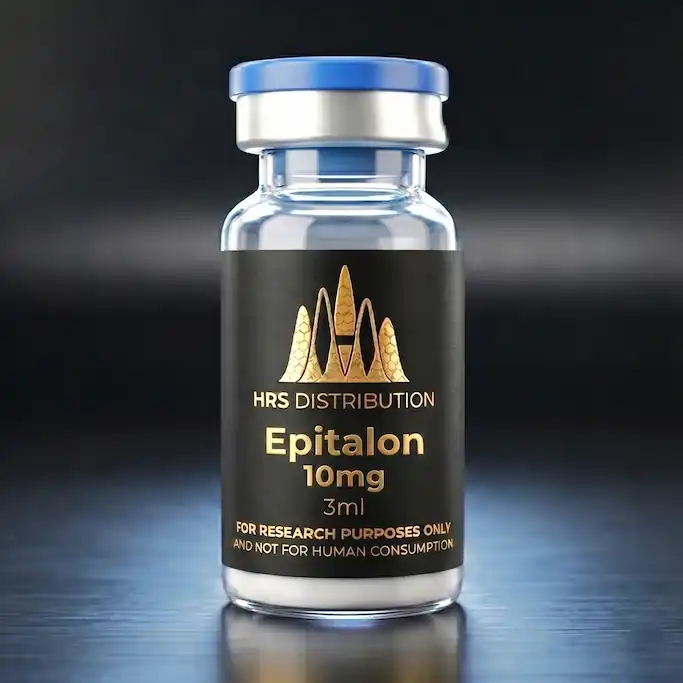
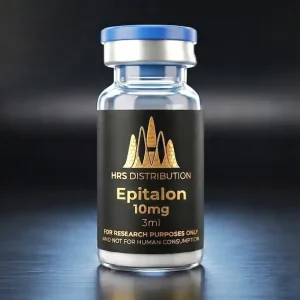
Epitalon AEDG
A pioneering synthetic derivative of epithalamin. This highly stable 4-amino acid sequence (C14H22N4O9) is extensively researched for its role in neuroendocrine regulation, pineal gland function, and cellular senescence.
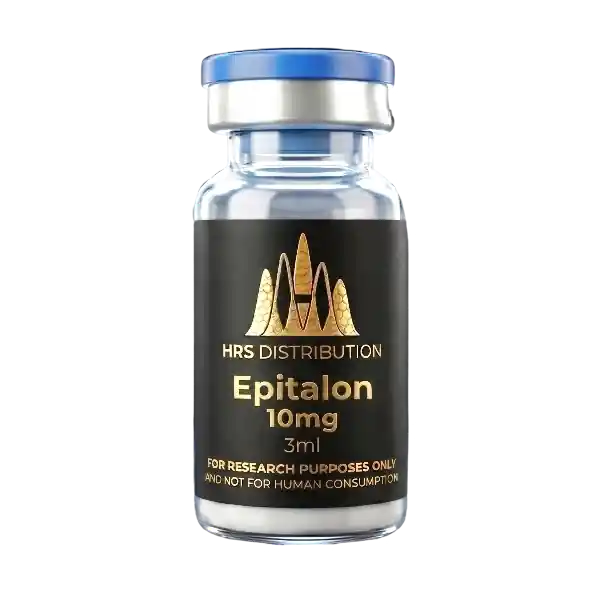
Epitalon represents a significant focus in gerontology and anti-aging research. Functioning as a synthetic analogue of the natural pineal peptide, this tetrapeptide interacts directly with the neuroendocrine system. In vitro studies primarily investigate its capacity to induce telomerase activity, the enzyme responsible for elongating chromosomal telomeres, thereby extending the Hayflick limit of cellular division. By targeting the pineal gland, researchers can observe its profound influence on endogenous melatonin synthesis and circadian rhythm normalisation.
Telomerase Catalyst
Exhibiting direct influence on hTERT gene expression, extending chromosomal telomeres and delaying cellular senescence in somatic cells.
Melatonin Upregulation
Targets the pineal gland to restore biorhythms and normalise endogenous melatonin production, mitigating age-related neuroendocrine decline.
The 390.35 Da structure is an incredibly robust linear tetrapeptide (L-Alanyl-L-alpha-glutamyl-L-alpha-aspartylglycine). Its minimal four-amino-acid chain grants it exceptional stability and high biological availability in research models compared to larger, more fragile polypeptide sequences.
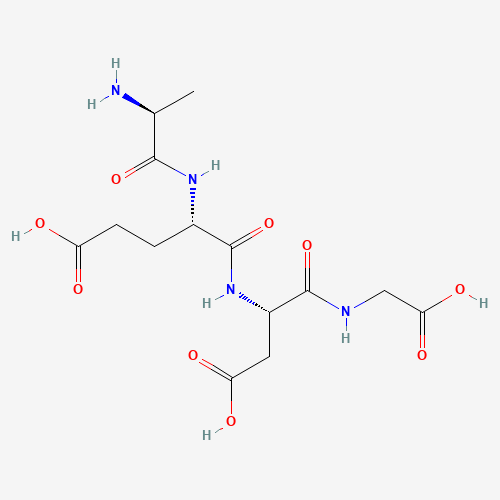
- Primary Sequence: Ala-Glu-Asp-Gly (AEDG)
- Target Mechanism: Epigenetic telomerase activation.
- Endocrine Focus: Pineal gland normalisation.
- Antioxidant Capacity: Suppression of lipid peroxidation.
- Circadian Rhythm: Restoration of sleep/wake homeostasis.
In cellular models, Epitalon is extensively investigated for its impact on Fibroblast Proliferation and Chromosomal Integrity. Researchers often map the expression of the c-Fos gene and subsequent antioxidant enzyme cascades to determine its neuroprotective efficacy and systemic anti-aging potential.
Investigating the extension of the Hayflick limit and the reduction of morphological signs of senescence in human diploid fibroblasts.
Analysis of shifts in reactive oxygen species (ROS) clearance and the mitigation of oxidative stress in neurological models.
Supplied lyophilised for maximum sequence integrity during logistics.
- Dry Storage: -20°C for >12 months; 2-8°C for <6 months.
- Liquid Stability: Must be refrigerated (2-8°C) once reconstituted.
- Solubility: Water (5mg/ml), PBS, or DMSO.
Strict adherence to laboratory SOPs is required to maintain the tetrapeptide chain.
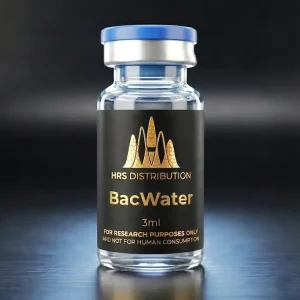
- Solvent: Sterile Bacteriostatic Water or PBS.
- Technique: Slow sidewall induction; do not agitate the puck.
- Unit Size: 10mg.
WARNING: This compound is a chemical reagent supplied exclusively for in-vitro and in-vivo laboratory research. It is NOT a drug, medication, or food supplement. Strictly prohibited for human or veterinary administration. Lawful handling is the sole responsibility of the professional user. HRS Distribution assumes no liability for applications outside of laboratory scientific research.

Reviews
There are no reviews yet.