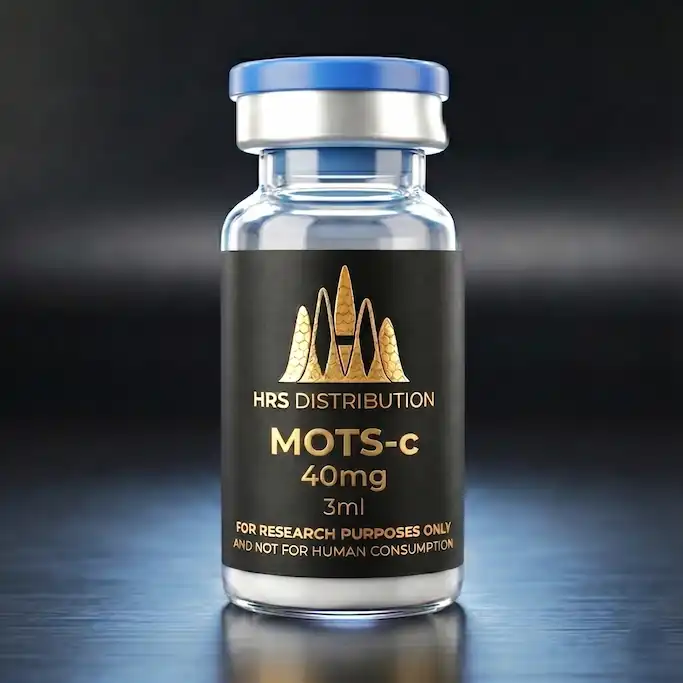
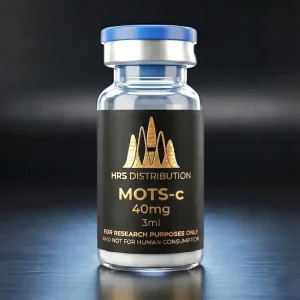
MOTS-c 40mg
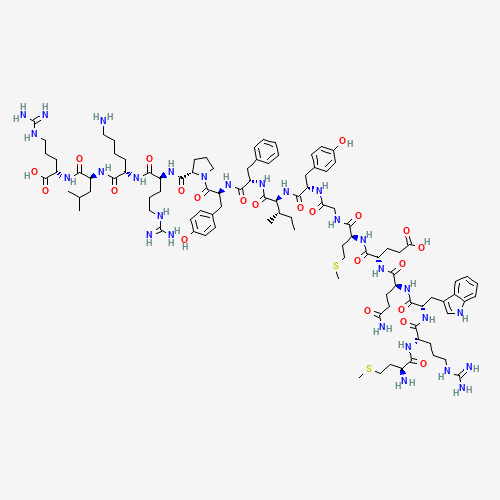
A groundbreaking 16-amino acid peptide encoded by the mitochondrial genome. This unique metabolic regulator (C101H152N28O22S2) is extensively researched for its profound effects on energy homeostasis and cellular stress resistance.
MOTS-c represents a paradigm shift in metabolic research. Unlike traditional nuclear-encoded peptides, it acts as a retrograde signal from the mitochondria to the nucleus. By directly targeting the folate cycle and powerfully activating AMP-activated protein kinase (AMPK), researchers observe systemic shifts in energy metabolism that closely mimic the physiological effects of rigorous aerobic exercise.
Cellular Energy Sensor
Observed to heavily phosphorylate and activate AMPK, driving peripheral tissues (especially skeletal muscle) to increase glucose uptake and shift towards sustained fatty acid oxidation.
Folate Cycle Modulation
Inhibits the folate cycle de novo purine biosynthesis pathway, leading to a cellular accumulation of AICAR, which further sustains the metabolic activation loop.
The 2174.6 Da structure (Met-Arg-Trp-Gln-Glu-Met-Gly-Tyr-Ile-Phe-Tyr-Pro-Arg-Lys-Leu-Arg) is biologically unique as it originates from the 12S ribosomal RNA of the mitochondrial genome. Its specific 16-amino acid configuration allows it to translocate into the nucleus under cellular stress to regulate adaptive metabolic gene expression.
- Base Origin: Mitochondrial 12S rRNA
- Primary Action: Exercise Mimetic / AMPK Agonist
- Insulin Sensitivity: Profoundly Enhanced
- Metabolism: Shift to Fatty Acid Oxidation
- Cellular Target: Skeletal Muscle & Nucleus
In preclinical models, MOTS-c is extensively investigated for its targeted effects on Metabolic Dysfunction and Ageing. Researchers map the rapid spikes in cellular glucose uptake to determine its volumetric efficacy in combating diet-induced obesity and age-related metabolic decline.
Observing the marked increase in skeletal muscle performance, energy expenditure, and endurance capacity under rigorous metabolic testing paradigms.
Analysis of cellular resistance to metabolic stress, focusing on the reduction of reactive oxygen species (ROS) and enhanced mitochondrial efficiency.
Supplied lyophilised for maximum sequence integrity during logistics.
- Dry Storage: -20°C for >12 months; 2-8°C for <6 months.
- Liquid Stability: Must be refrigerated (2-8°C) once reconstituted.
- Solubility: Water (1mg/ml) or sterile physiological saline.
Strict adherence to laboratory SOPs is required to maintain the 16-amino acid chain.
- Solvent: Sterile Bacteriostatic Water or PBS.
- Technique: Slow sidewall induction; do not agitate the puck.
- Unit Sizes: 40mg precision research configurations.
WARNING: This compound is a chemical reagent supplied exclusively for in-vitro and in-vivo laboratory research. It is NOT a drug, medication, or food supplement. Strictly prohibited for human or veterinary administration. Lawful handling is the sole responsibility of the professional user. HRS Distribution assumes no liability for applications outside of laboratory scientific research.



Reviews
There are no reviews yet.